
Industry Solution · Tool & Die / Mold Making
Coolant Filtration for Tool & Die and Mold Making
Tool and die shops and mold makers operate where surface finish is the entire deliverable. Filtration systems engineered for tool steel grinding, EDM operations, and the sub-micron clarity that high-precision mold production demands.
SURFACE FINISH
Where filtration shows in the part
EDM
Dielectric and wire EDM filtration
TOOL STEEL
Engineered for D2, H13, S7
1µ
Sub-micron polishing capability
WHY IT MATTERS
In Mold Making, Filtration Shows in the Finished Part
Tool and die shops and mold makers produce the production assets that downstream manufacturers use to make parts at scale. The molds, dies, and tooling they produce often operate for hundreds of thousands of cycles, and any defect in the tool surface propagates into every part the tool produces. Surface finish, dimensional accuracy, and tool steel integrity are not nice-to-haves — they are the deliverable.
The work concentrates on a small set of demanding processes: precision grinding of tool steels (D2, H13, S7, and similar), wire and sinker EDM for complex geometries, high-speed milling for cavity work, and honing and lapping for mating surfaces. Each process has its own filtration profile, and most mold shops run several in parallel.
CoolantFilters.com configures filtration systems specifically for the realities of tool and die work — sub-micron polishing capability for surface finish-critical operations, dedicated EDM dielectric filtration, and the sustained clarity that long-cycle precision work requires.
INDUSTRY CHALLENGES
Filtration Challenges in Tool & Die / Mold Making
Tool and die work concentrates filtration challenges around surface finish, with EDM as a special case.
Tool steel grinding sludge
Hardened tool steel grinding generates fine, abrasive sludge that defines the contamination profile of a tool and die shop. Without dedicated filtration the sludge recirculates, marks ground surfaces, and accelerates wheel wear.
EDM dielectric contamination
Wire and sinker EDM produce micro-particles of eroded material that suspend in the dielectric fluid. Particle accumulation directly degrades cut quality and surface finish. EDM filtration is a separate problem from machine coolant filtration.
Surface finish on mold cavities
Mold cavities for plastic injection or die casting often require surface finishes measured in fractions of a Ra micron, with selected zones polished to optical-grade. Filtration cleanliness is a precondition for that finish.
Long machining cycles on premium material
Mold cavities are commonly machined over multiple days or weeks. Coolant must remain clean across the full cycle, because surface defects introduced late in the cycle scrap weeks of machining time on premium tool steel.
RECOMMENDED FILTRATION APPROACH
Filtration Architecture for Surface Finish-Critical Work
Tool and die shops benefit from layered filtration with strong polishing emphasis. Magnetic separation handles ferrous fines from tool steel grinding without consumable media. Gravity bed filtration handles the polishing for general machining and grinding operations. Bag or cartridge housings provide the sub-micron polishing for the tightest surface finish work.
EDM filtration is configured separately from general machine coolant filtration. Wire EDM dielectric requires its own filtration loop with paper filter media sized for the eroded particle profile; sinker EDM systems often use dedicated cartridge or bag filtration. The two filtration domains can share infrastructure (housings, media supply) but the loops should not be combined.
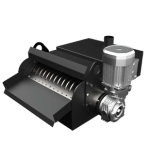
Magnetic Separators
Non-consumable ferrous fines removal for tool steel grinding cells.
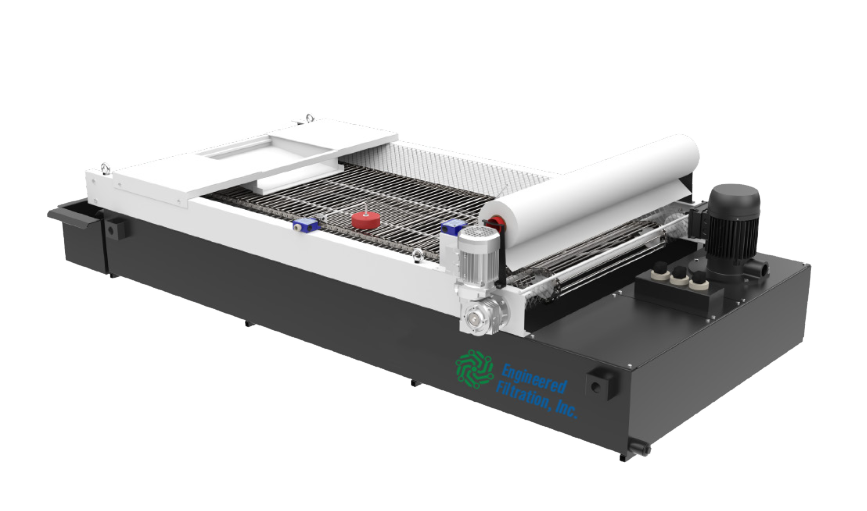
Gravity Bed Filters
Fine-micron disposable-media filtration for surface finish-grade clarity.
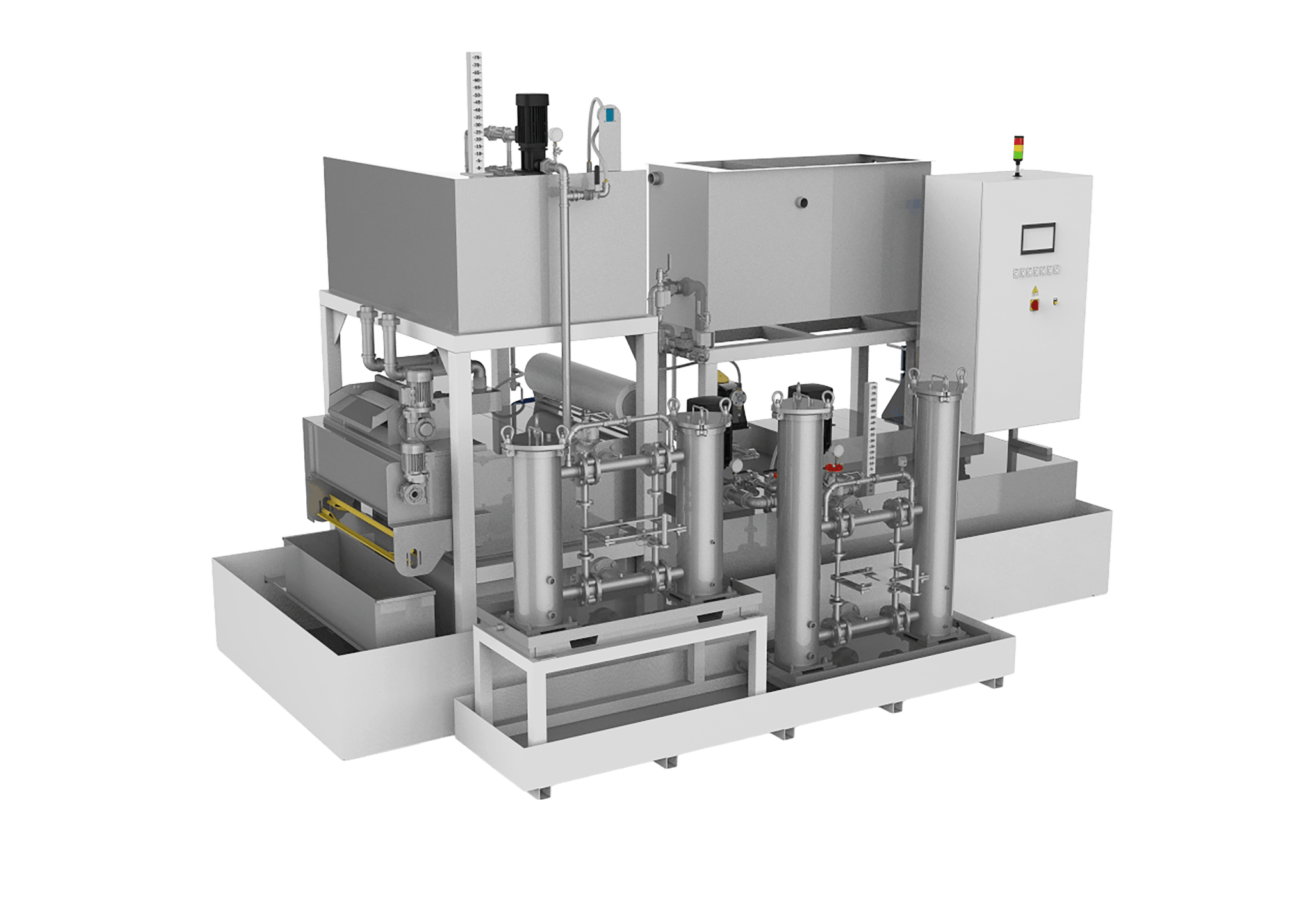
Bag & Cartridge Housings
Sub-micron polishing for the tightest surface finish requirements on rotating components.
TECHNICAL SPECIFICATIONS
Reference Configuration for Tool & Die Shops
Common Materials
- Tool steels (D2, H13, S7, A2, P20)
- Pre-hardened mold steels (NAK80, P21)
- Stainless tool steels (420, S136)
- Carbide and tungsten carbide (insert tooling, cutting components)
- Beryllium copper (selected mold inserts)
- Aluminum (rapid prototype mold inserts)
Common Processes
- Surface and form grinding (precision tool steel work)
- High-speed mold cavity milling (5-axis, electrode work)
- Wire EDM (complex 2D and 3D contours)
- Sinker EDM (cavity detail and surface texturing)
- Honing (precision bore work)
- Polishing and lapping (mold finishing)
Tool and die shops vary from small mold makers with one or two cells to large captive tool rooms inside major manufacturers. The reference below covers a typical mid-size mold shop.
| Parameter | Typical Recommendation |
|---|---|
| Typical flow rate | 5–80 GPM per cell |
| Coolant type | Water-soluble for general; straight oil for selected grinding |
| EDM dielectric | Hydrocarbon-based or deionized water (process-dependent) |
| Filtration target | 1–10 micron general; sub-micron polishing for high-finish work |
| Magnetic pre-filter | Yes — universal for tool steel work |
| EDM filtration | Dedicated, separate from coolant loop |
| Architecture | Standalone preferred; central possible for larger shops |
| Service interval | Scheduled around mold cavity cycle requirements |
BUSINESS CASE
The Tool & Die ROI Calculation
In tool and die work the highest cost of poor filtration is rarely the consumables — it is scrap on a near-finished mold cavity. A single rejected mold or die after weeks of machining can carry six-figure replacement cost when factoring premium tool steel, certified machining time, and the schedule impact on the customer’s production launch. Filtration ROI in tool and die is calculated primarily against scrap avoidance and rework reduction.
Model the Cost of a Single Rejected Mold Cavity
Use our ROI Calculator to model the economics specific to tool and die work — premium tool steel cost, multi-week machining cycles, and the schedule impact of late-cycle surface defects.
Quality Context for Tool & Die Shops
Project-Specific and OEM-Specific Quality Plans
Tool and die shops typically work to project-specific quality plans defined by the end-customer of the tool. Documented filtration supports the process control records those quality plans require.
Tool shops serving regulated end-markets — automotive, medical, aerospace — frequently inherit the quality requirements of those markets. Documented filtration with traceable specifications supports the supplier reporting and internal quality records that those projects require.
FREQUENTLY ASKED QUESTIONS
Common Questions from Tool & Die Shops
What coolant filter is best for tool steel grinding?
Tool steel grinding benefits from a magnetic separator paired with gravity bed filtration. The magnetic stage captures the ferrous grinding sludge that defines tool steel contamination; the gravity bed delivers surface finish-grade clarity for downstream operations. Sub-micron polishing through bag or cartridge housings is added for the highest-precision work.
How is EDM filtration different from general coolant filtration?
EDM filtration is a separate domain from general machine coolant filtration. EDM produces micro-particles of eroded workpiece material that suspend in the dielectric fluid (hydrocarbon or deionized water). EDM filtration loops use dedicated paper filter media (wire EDM) or cartridge and bag housings (sinker EDM). The dielectric fluid is not interchangeable with machine coolant, and the filtration loops should not be combined.
What micron rating is needed for high-precision mold cavity work?
High-precision mold cavity work commonly targets 1–5 micron coolant clarity for the surface finish on cavity mating surfaces and visible part-forming surfaces. Texture and pattern surfaces frequently tolerate 5–10 micron. The exact target should be set against the surface specification and the post-machining polishing process.
Are central coolant systems suitable for tool and die shops?
Standalone systems are usually preferred in tool and die work because cell-to-cell coolant chemistry varies by process, surface finish requirements differ between operations, and cross-contamination between EDM and machine coolant loops is a documented concern. Larger captive tool rooms inside major manufacturers sometimes deploy central systems for the general machining load with dedicated standalone filtration on EDM and high-precision grinding cells.
How does coolant filtration affect mold lifecycle?
Coolant filtration directly affects two aspects of the finished mold: surface finish quality (which propagates into every part the mold produces) and dimensional accuracy of mating surfaces (which affects shut quality and mold longevity). Filtration cleanliness is a precondition for the surface finish that production molds require, and surface defects introduced during machining commonly fail molds in early service.
What is the simplest first filtration upgrade for a tool and die shop?
The single most impactful first step is a magnetic separator on the largest tool steel grinding cell. It removes the dominant contamination source (ferrous grinding sludge) without consumable media, produces immediate visible results, and protects downstream equipment. From there, gravity bed filtration and sub-micron polishing housings build out the architecture for high-precision work.
FINAL CTA SECTION
Filtration That Shows in the Finished Mold
Tell us about your tool and die work — material mix, EDM presence, surface finish requirements, and the precision class of the molds and tools you produce. We will engineer a filtration solution that supports the surface finish your customers expect.