
Industry Solution · Heavy Equipment & Agricultural
Coolant Filtration for Heavy Equipment & Agricultural Manufacturing
CNC job shops and general manufacturers face a specific filtration challenge: variability. Mixed materials, mixed coolants, mixed production volumes — and a need for filtration that works across all of it without requiring a different system for every cell.
SCALE
Up to 6,000+ GPM systems
CAST IRON
Heavy ferrous load capable
GANTRY
Sized for large machining centers
UPTIME
Continuous production support
WHY IT MATTERS
Filtration Built for Big Parts and Big Volumes
Heavy equipment and agricultural machinery manufacturing is dominated by large parts, abrasive materials, and continuous production schedules. Construction equipment frames, mining truck axles, agricultural tractor housings, gear boxes, and hydraulic component bodies all share a common characteristic: they generate a lot of chips, and the chips are heavy and abrasive.
The dominant materials are gray and ductile cast iron, large steel forgings, and structural alloy steels. Cast iron in particular generates fine, abrasive ferrous sludge that overwhelms undersized filtration systems quickly. Large component machining also tends to use higher coolant volumes per cycle than smaller-part work — the parts themselves displace more coolant, and the cuts move more material.
CoolantFilters.com builds filtration systems sized for the realities of heavy equipment and agricultural production: high flow rates, large tank volumes, heavy ferrous chip loads, and the continuous-duty operation that large-part production demands.
INDUSTRY CHALLENGES
Filtration Challenges in Heavy Equipment Manufacturing
Big parts and big volumes create a specific filtration profile.
Massive cast iron sludge accumulation
Cast iron machining generates dense ferrous fines at volume. Without dedicated filtration, sumps fill with sludge in days, not months, and the recirculation degrades surface finishes and tool life.
Large coolant tank volumes
Heavy equipment shops commonly operate sumps and central systems holding hundreds or thousands of gallons. The cost of a single coolant change is measured in days of labor and thousands of dollars in fluid.
Continuous-duty production schedules
Heavy equipment plants often run two or three shifts. Filtration systems must support continuous-duty operation with predictable, off-shift service intervals that do not interrupt production.
Long bar stock and abrasive forging machining
Long-bar machining and rough forging cleanup generate continuous heavy chip loads that test the limits of conveyor and filtration capacity. Filtration must be sized for sustained heavy load, not peak load.
RECOMMENDED FILTRATION APPROACH
Heavy-Duty Architecture for Heavy-Duty Production
Heavy equipment manufacturing benefits from layered, high-capacity filtration. An automatic magnetic pre-filter handles the dominant ferrous load before it reaches the gravity bed; the gravity bed handles the polishing across the high flow rates that large-part machining demands. Central coolant systems are common because the per-machine equipment cost amortizes well across multiple large machining cells.
For shops machining a mix of cast iron and forged steel, the filtration system architecture matters less than the sustained capacity rating. Undersized systems work fine for the first month and then quickly become the production bottleneck. Heavy equipment filtration should be specified at sustained heavy load, with margin for peak production days.
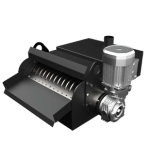
Magnetic Separators
High-capacity automatic ferrous fines removal — built for heavy cast iron loads.
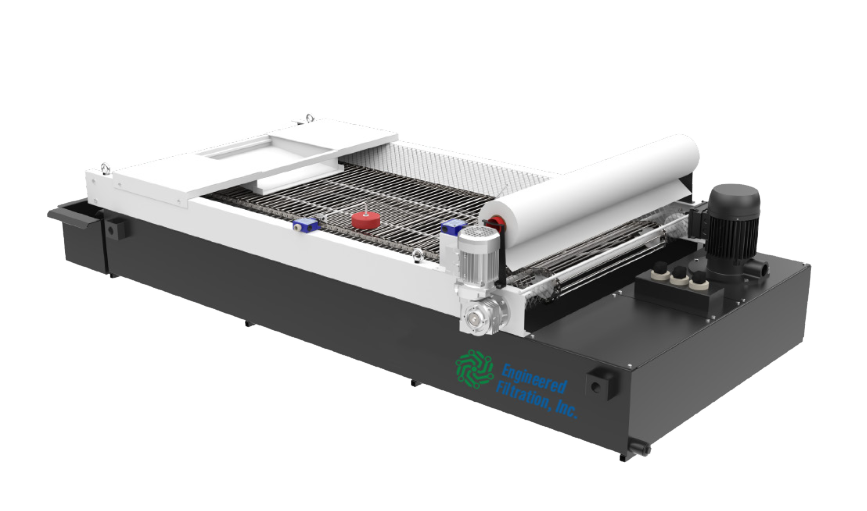
Gravity Bed Filters
High-flow disposable-media polishing sized for large-tank, multi-machine production.
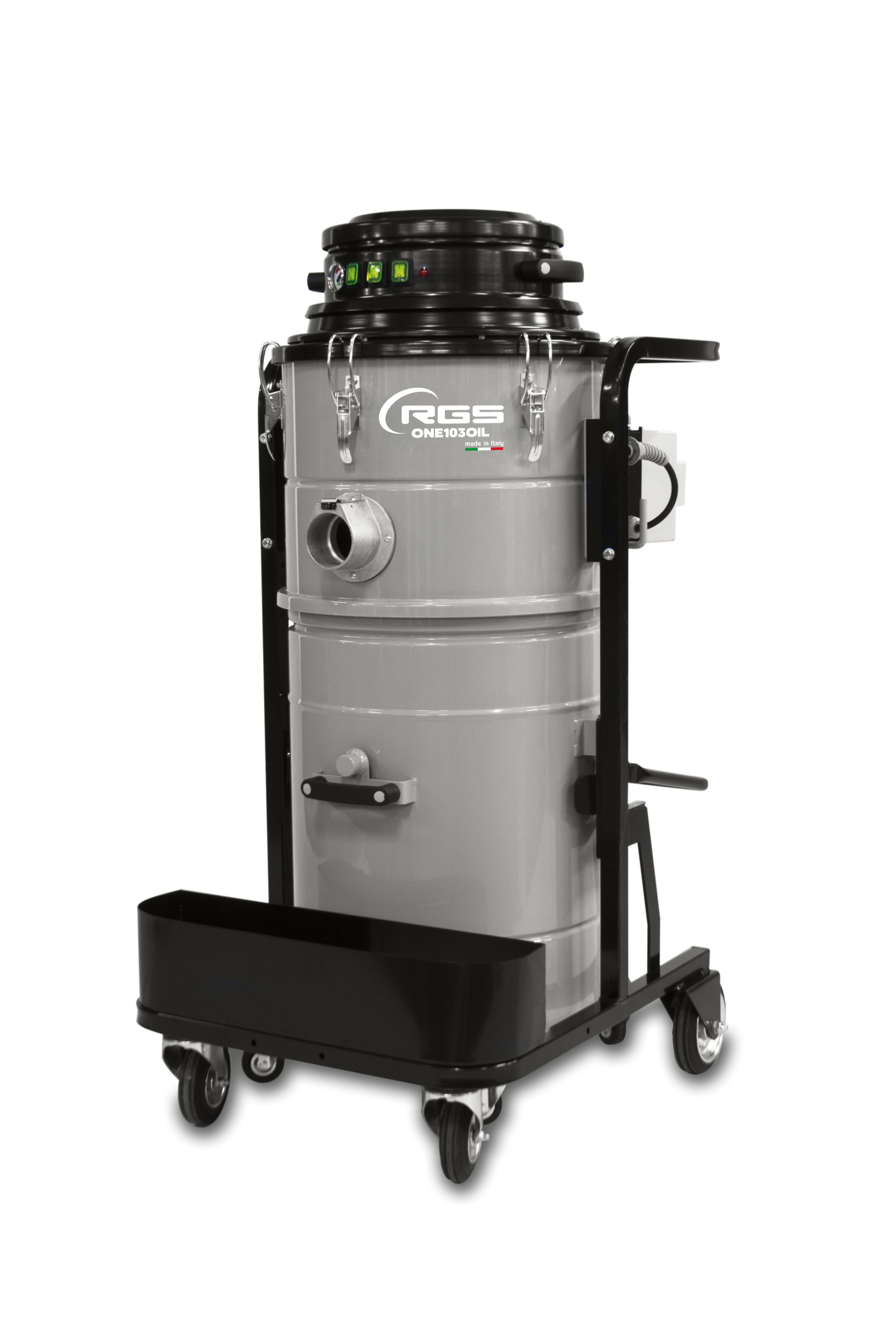
Custom Engineered Systems
Turnkey central coolant systems designed against your specific plant layout and capacity needs.
TECHNICAL SPECIFICATIONS
Reference Configuration for Heavy Equipment Cells
Common Materials
- Gray and ductile cast iron (housings, gears, valve bodies)
- Forged carbon steel (axles, shafts, structural)
- Alloy steels (gears, hydraulic components)
- Stainless steel (selected agricultural and food-processing components)
- Aluminum (selected lightweight components)
Common Processes
- Heavy roughing on gantry mills and large machining centers
- Boring of large diameters (axle housings, hydraulic cylinder bodies)
- Gear cutting and grinding (transmission components)
- Cylindrical grinding of large shafts
- Heavy turning on large lathes
- Drilling and tapping of structural components
Heavy equipment shops vary from single-machine roughing operations to fully central plant filtration. The reference below covers a typical multi-machine production cell.
| Parameter | Typical Recommendation |
|---|---|
| Typical flow rate | 100–6,000+ GPM (cell or central) |
| Coolant type | Water-soluble (most common), semi-synthetic |
| Filtration target | 15–50 micron |
| Tank capacity | 500–10,000+ gallons (central systems) |
| Magnetic pre-filter | Yes — essential for cast iron and steel forging work |
| Architecture | Central preferred for multi-cell plants |
| Duty cycle | Continuous (multi-shift production) |
| Service interval | Scheduled off-shift with no production impact |
BUSINESS CASE
The ROI Argument for Heavy Equipment Production
In heavy equipment production the dominant cost driver is large-tank coolant changeouts. A 2,000-gallon central system changeout consumes days of labor, thousands of dollars in new fluid, and disposal cost for the spent coolant — plus the lost production hours during the cleanout. Filtration that extends coolant life from 90 days to 12 months is one of the highest-ROI capital investments a heavy equipment shop can make.
Calculate Your Heavy Equipment Filtration Payback
Use our ROI Calculator to model the savings specific to large-tank operations — coolant volume, disposal cost, labor hours, and lost production. Heavy equipment filtration ROI is typically the strongest in industrial.
Quality Context for Heavy Equipment Manufacturers
ISO 9001 and Industry-Specific OEM Standards
Heavy equipment OEMs increasingly include process control requirements in supplier specifications. Documented filtration supports both internal quality systems and customer-facing supplier reporting.
Tier 1 suppliers to major heavy equipment and agricultural OEMs operate under documented quality regimes, often with audit requirements similar to automotive IATF 16949. Coolant management is part of the process documentation, and consistent filtration is part of the predictability that those quality systems require.
FREQUENTLY ASKED QUESTIONS
Common Questions from Heavy Equipment Manufacturers
What coolant filter is best for cast iron machining?
Cast iron machining benefits from an automatic magnetic separator as the primary stage — it captures the dense ferrous sludge that defines cast iron contamination — followed by a gravity bed filter for polishing. The magnetic stage prevents sludge from accumulating in the sump; the gravity bed delivers the surface finish-grade clarity for downstream operations.
How is coolant filtration sized for large central systems?
Central system filtration is sized against three variables: total coolant volume, peak flow rate from the highest-load machines, and the sustained chip generation rate across the connected cells. Properly sized systems handle peak loads with margin and target a complete tank turnover every 30–60 minutes for active filtration.
How often should heavy equipment coolant tanks be cleaned?
Without filtration, large-tank heavy equipment systems typically require complete coolant changeouts every 60–90 days. With a properly configured magnetic + gravity bed system in place, the same systems routinely run 9–18 months between full changeouts, with periodic top-ups and tramp oil management in between.
What is the cost impact of a single large coolant changeout?
A 2,000-gallon central system changeout commonly costs $4,000–$10,000 in fluid and disposal alone, plus 2–4 days of labor and lost production hours from the affected machines. Filtration that prevents two of those changeouts per year typically pays for itself inside the first cycle.
Are central coolant systems worth the investment for heavy equipment?
For multi-cell plants producing large components, central systems are almost always more cost-effective than per-machine standalone filtration. They consolidate maintenance into a single point, reduce per-machine equipment cost, and support consistent coolant chemistry across cells. The investment math depends on cell count and plant layout; we model it specifically against your operation.
Can filtration handle the heavy chip loads from forging cleanup?
Yes, when sized appropriately. Forging cleanup and rough turning generate continuous heavy chip loads that overwhelm undersized filtration. Properly sized magnetic separators and high-capacity gravity bed systems handle sustained heavy load — the key is specifying the system at sustained capacity, not peak.
FINAL CTA SECTION
Engineered for Production at Scale
Tell us about your operation — central or standalone, machine count, tank volumes, and the materials you machine. We will engineer a filtration system that matches the scale and sustained load of your production.