
Industry Solution · Automotive
Coolant Filtration for Automotive Machining
High-volume automotive production demands ruthlessly consistent coolant cleanliness. Filtration systems engineered for engine block, cylinder head, transmission, and EV component machining — built to handle cast iron sludge, aluminum fines, and continuous-duty production schedules.
24/7
Continuous-duty rated systems
CAST IRON
Engineered for ferrous fines
5µ
Surface finish-grade clarity
IATF
Compatible with 16949 protocols
WHY IT MATTERS
Automotive Machining Lives or Dies on Coolant Cleanliness
Automotive component machining runs at production volumes few other industries match. Engine blocks, cylinder heads, transmission housings, brake components, and EV battery enclosures are produced in tens of thousands of cycles per machine per month. At that pace, even modest coolant degradation translates directly into measurable scrap, surface finish drift, and unplanned downtime.
Cast iron, aluminum, and high-strength steel are the dominant materials, and each generates its own contamination signature. Cast iron produces fine, abrasive ferrous sludge that settles in sumps and recirculates through coolant lines. Aluminum chips trap tramp oil, accelerate biological growth, and produce smearing on freshly machined surfaces. Engineered filtration is what keeps the line running — not a maintenance afterthought.
CoolantFilters.com builds filtration systems specifically for the realities of automotive production: high coolant flow rates, mixed-material chip loads, continuous shift schedules, and the cost-per-minute pressure of an active production line.
INDUSTRY CHALLENGES
Filtration Challenges Specific to Automotive
Every automotive shop faces the same physics, but the dominant problem depends on which components you produce.
Cast iron fines that resettle in seconds
Cast iron generates dense, abrasive fines that bypass conveyors and accumulate in sumps. Without dedicated filtration, those particles recirculate through pumps, plug coolant ports, and accelerate way wear.
High-volume coolant systems running 24/7
Production lines do not pause for filter changes. Filtration must support continuous-duty operation with predictable, scheduled service intervals — not emergency shutdowns.
Surface finish standards on visible parts
Cylinder bores, valve seats, and gear faces have surface finish requirements measured in Ra microns. Recirculating fines mark finished surfaces and force rework.
Aluminum machining and tramp oil
Aluminum-rich coolants emulsify tramp oil quickly, breeding bacteria, generating odor, and degrading the fluid in days rather than weeks. Tramp oil control is non-negotiable.
INDUSTRY CHALLENGES
Filtration Challenges Specific to Automotive
For most automotive operations the optimal architecture combines automatic magnetic pre-filtration to capture ferrous fines before they reach the sump, with a high-flow gravity bed system handling the polishing stage to deliver consistent clarity. For aluminum-heavy or mixed-material operations, a tramp oil separator or coalescer integrates downstream of the magnetic stage to manage emulsified oils.
Central coolant systems are common in dedicated machining cells producing a single component family. Standalone systems are usually preferred where job mix shifts or where machine-to-machine cleanliness requirements vary. Either architecture is supported.
Magnetic Separators
Automatic, non-consumable ferrous fines removal upstream of the gravity bed — protects pumps.
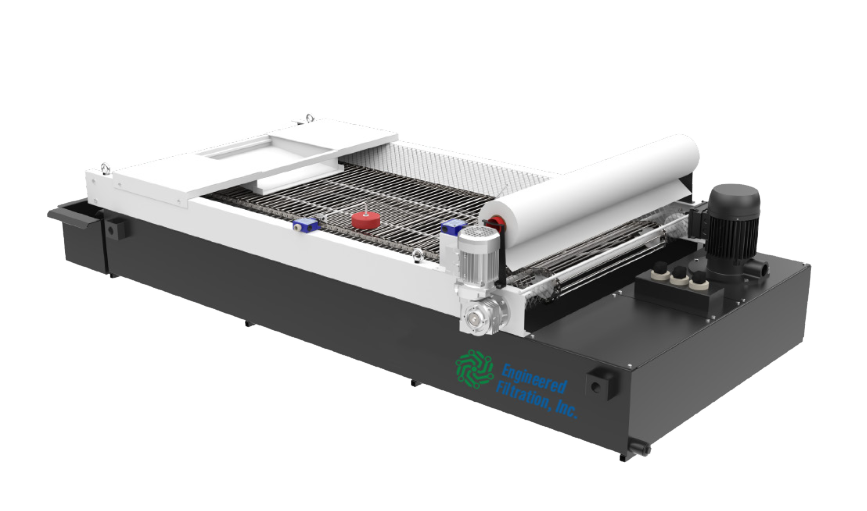
Gravity Bed Filters
High-flow disposable-media polishing stage delivering surface finish-grade coolant clarity.
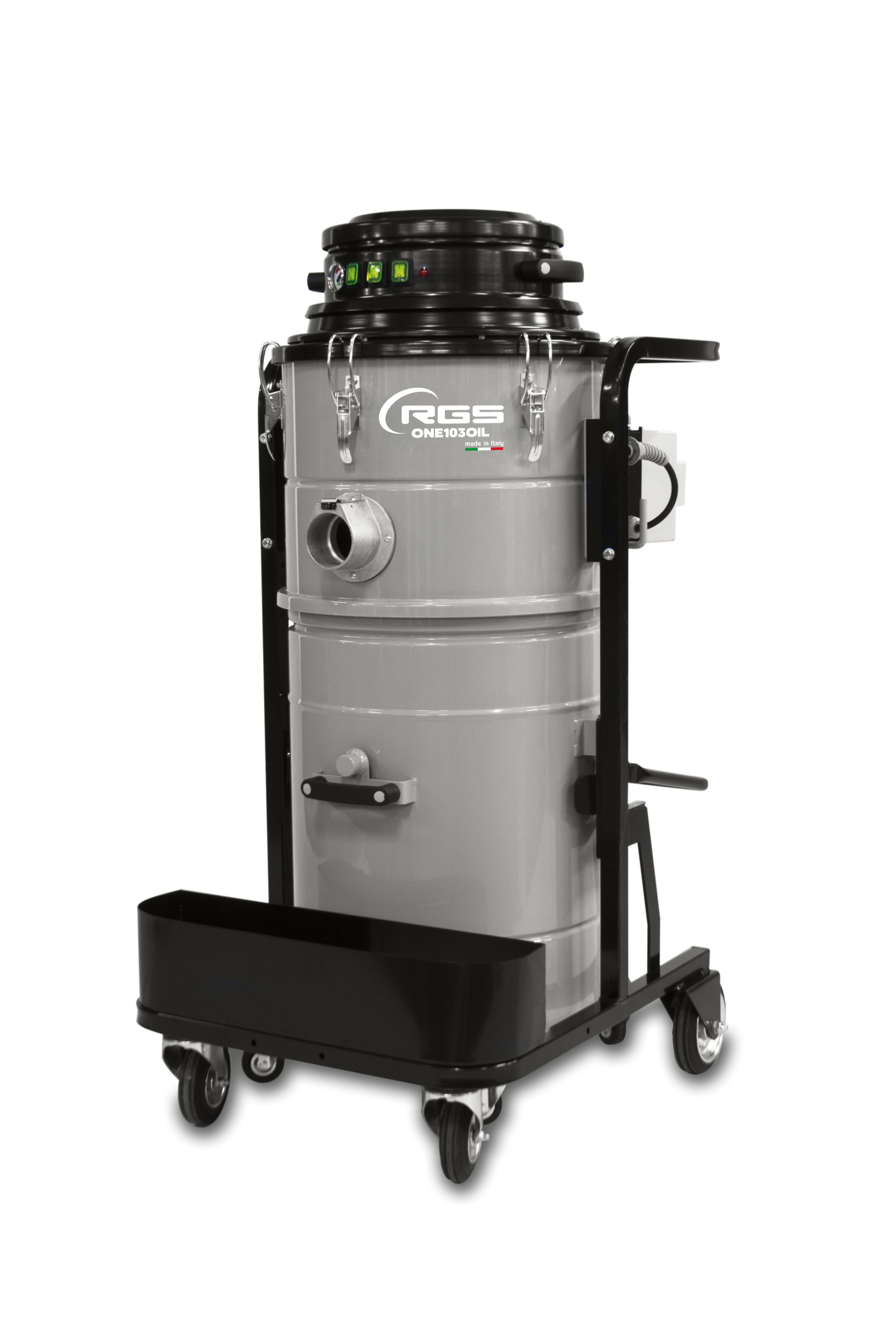
Tank Cleaners & Reclamation
Sump cleaners and tramp oil systems for between-shift fluid management.
TECHNICAL SPECIFICATIONS
Reference Configuration for Automotive Production
Common Materials
- Gray and ductile cast iron (engine blocks, brake rotors, transmission cases)
- Aluminum alloys (heads, EV battery housings, wheels)
- High-strength steel (gears, shafts, fasteners)
- Stainless steel (exhaust components)
- Powdered metal (sintered components)
Common Processes
- Gray and ductile cast iron (engine blocks, brake rotors, transmission cases)
- Aluminum alloys (heads, EV battery housings, wheels)
- High-strength steel (gears, shafts, fasteners)
- Stainless steel (exhaust components)
- Powdered metal (sintered components)
The specifications below reflect a typical mid-volume automotive machining cell. Actual systems are sized to your production data — flow rate, coolant volume, material mix, and shift schedule.
| Parameter | Typical Recommendation |
|---|---|
| Typical flow rate | 40–500 GPM per cell |
| Coolant type | Water-soluble emulsion, semi-synthetic |
| Filtration target | 5–25 micron (component-dependent) |
| Magnetic pre-filter | Yes — automatic, non-consumable |
| Tramp oil management | Recommended for aluminum-heavy mixes |
| Architecture | Central or standalone, both supported |
| Duty cycle | Continuous (24/7 production) |
| Tank-cleanout interval | Targeted 90–180 days with proper filtration |
BUSINESS CASE
The ROI Math in Automotive Production
In high-volume automotive machining the dominant cost driver is unplanned downtime. A single hour of stopped production on a high-throughput line frequently exceeds the annual cost of the entire filtration system. Filtration ROI is rarely calculated against coolant savings alone — it is calculated against production hours preserved, scrap reduced, and tool life extended.
Estimate Your Filtration Payback
Use our ROI Calculator to model coolant life, tool life, scrap reduction, and downtime savings against your specific production volume. Most automotive operations see payback inside the first year.
Quality Context for Automotive Suppliers
Built for IATF 16949 Production Environments
Coolant cleanliness standards in automotive production are increasingly tied to in-process quality controls. Dedicated, documented filtration supports the predictability that quality systems require.
For Tier 1 and Tier 2 suppliers operating under IATF 16949, coolant management is part of production documentation. Filtration systems with predictable service intervals, documented micron ratings, and traceable replacement media simplify compliance audits and reduce variance in part quality.
FREQUENTLY ASKED QUESTIONS
Common Questions from Automotive Manufacturers
What is the best coolant filter for automotive machining?
For most automotive machining cells the optimal configuration is a layered system: an automatic magnetic separator upstream to capture ferrous fines from cast iron and steel, followed by a gravity bed coolant filter for polishing to surface-finish-grade clarity. Tramp oil management is added when aluminum is in the material mix.
The right specification depends on flow rate, coolant volume, material profile, and your tightest surface finish requirement. Our team configures systems against your actual production data.
What micron rating do I need for automotive engine block machining?
Engine block machining typically targets 10–25 micron coolant clarity, with critical operations like bore honing and valve seat finishing benefiting from sub-10 micron polishing. Recirculating fines above the threshold mark finished surfaces and accelerate honing tool wear.
How often should automotive coolant tanks be cleaned with proper filtration?
Without dedicated filtration, automotive coolant sumps frequently require cleanouts every 30 days. With a properly sized magnetic + gravity bed system in place, the same operations routinely extend cleanout intervals to 90–180 days, eliminating multiple production shutdowns per year.
Can one filtration system handle both cast iron and aluminum machining?
Yes, but the configuration matters. Mixed-material cells benefit from automatic magnetic separation (which only captures ferrous material, leaving aluminum alone), followed by gravity bed filtration sized for the combined particle load. Tramp oil management is more important for aluminum-heavy mixes because aluminum coolants emulsify oil faster.
How does coolant filtration affect tool life in automotive machining?
Recirculating abrasive fines act as a continuous low-grade abrasive against cutting edges, dramatically shortening tool life. Operations that install proper filtration commonly report tool life extension between 20–60% on tooling that previously failed prematurely from abrasive wear.
Are central or standalone coolant systems better for automotive?
Central systems excel for dedicated machining cells producing a single component family — they consolidate maintenance and reduce per-machine equipment cost. Standalone systems are preferred where the job mix changes, where coolant chemistries vary by operation, or where machine-to-machine cleanliness requirements are different. Both are commonly deployed in automotive plants.
FINAL CTA SECTION
Built for the Realities of Automotive Production
Tell us about your line — material mix, flow rate, current cleanout cadence, and the metrics that matter to you. We will engineer a filtration solution against your actual production data, not a brochure.