
Industry Solution · Energy & Power Generation
Coolant Filtration for Energy & Power Generation Manufacturing
Energy and power generation components are built to operate for decades under extreme conditions. The machining that produces them demands coolant cleanliness that supports the surface finish, dimensional accuracy, and material integrity those components require.
SUPERALLOYS
Inconel, Waspaloy, stainless
TURBINE
Sized for large rotating components
1µ
Sub-micron polishing capability
ASME
Compatible with energy QA regimes
WHY IT MATTERS
Power Generation Components Are Built to Last Decades
Gas turbines, steam turbines, generators, compressors, and large pumps share a common characteristic: they are designed to operate continuously for years, often for decades, in harsh service conditions. The machining that produces their components must support that reliability — surface finishes that resist fatigue, dimensional accuracy that supports balanced rotating assemblies, and material integrity that survives operational stress.
The dominant materials are nickel-based superalloys (Inconel, Waspaloy, Hastelloy), large steel forgings (turbine rotors, generator shafts), and various stainless steels. Many components are large — multi-ton rotors, multi-meter diameter compressor wheels, large gearbox housings — and many demand tight tolerances over those large dimensions. Coolant filtration becomes a precondition for the dimensional accuracy and surface finish that the components require.
CoolantFilters.com configures filtration systems for energy sector manufacturers — supporting the superalloy machining, large-part precision work, and tight surface finish requirements that turbine, generator, and compressor production demand.
INDUSTRY CHALLENGES
Filtration Challenges in Energy Sector Manufacturing
Energy sector machining concentrates several high-stakes filtration challenges into the same components.
Superalloy machining and tool degradation
Inconel, Waspaloy, and similar nickel-based superalloys are punishing on cutting tools and aggressively work-harden under poor coolant delivery. Stable, clean coolant is the difference between predictable tool life and chronic premature failure.
Surface finish on rotating components
Turbine blades, generator shafts, and compressor wheels operate at speeds where surface defects translate into fatigue initiation sites. Surface finish requirements are tight, and recirculating fines mark surfaces and force rework.
Large-part precision over long machining cycles
Energy components are often machined in cycles measured in days or weeks. Coolant cleanliness must be maintained across long cycles without degradation that would affect the latter stages of the operation.
Mixed material profiles in adjacent operations
A turbine production cell may machine superalloys, large steel forgings, and stainless components in adjacent operations. Filtration architecture must handle the mixed contamination profile without cross-degradation.
RECOMMENDED FILTRATION APPROACH
High-Precision Filtration for Energy Manufacturing
Energy sector machining benefits from the highest-clarity filtration the operation can support. For superalloy work we recommend gravity bed filtration with fine-micron media as the primary stage, supplemented by bag or cartridge polishing for the tightest surface finish work. For ferrous-rich operations (large steel forgings, generator shafts), magnetic pre-filtration handles the bulk of the contamination load before it reaches the polishing stage.
High-pressure coolant delivery is common in energy sector machining, particularly for deep-hole drilling on turbine components and through-spindle applications on superalloy work. Filtration must be specified to handle the pressure regime and the high flow rates that those operations demand.
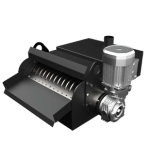
Magnetic Separators
Automatic ferrous fines removal for steel forging and generator shaft work.
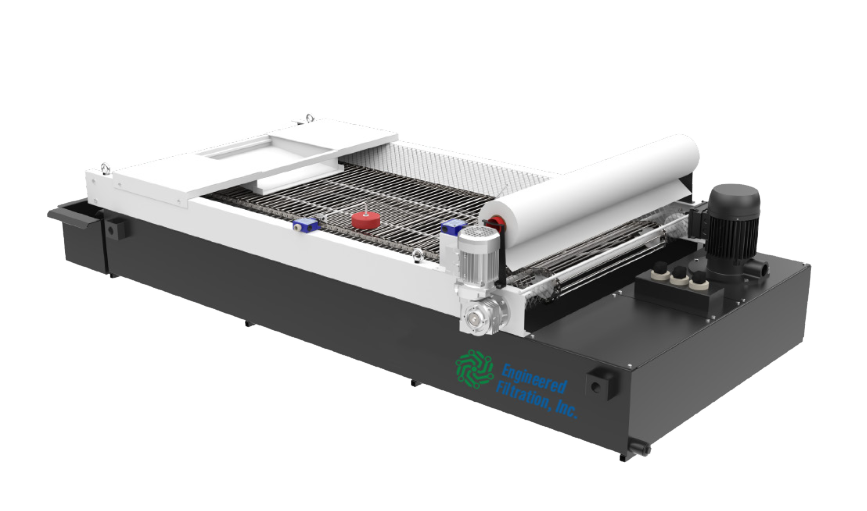
Gravity Bed Filters
Fine-micron filtration sized for sustained operation across long machining cycles.
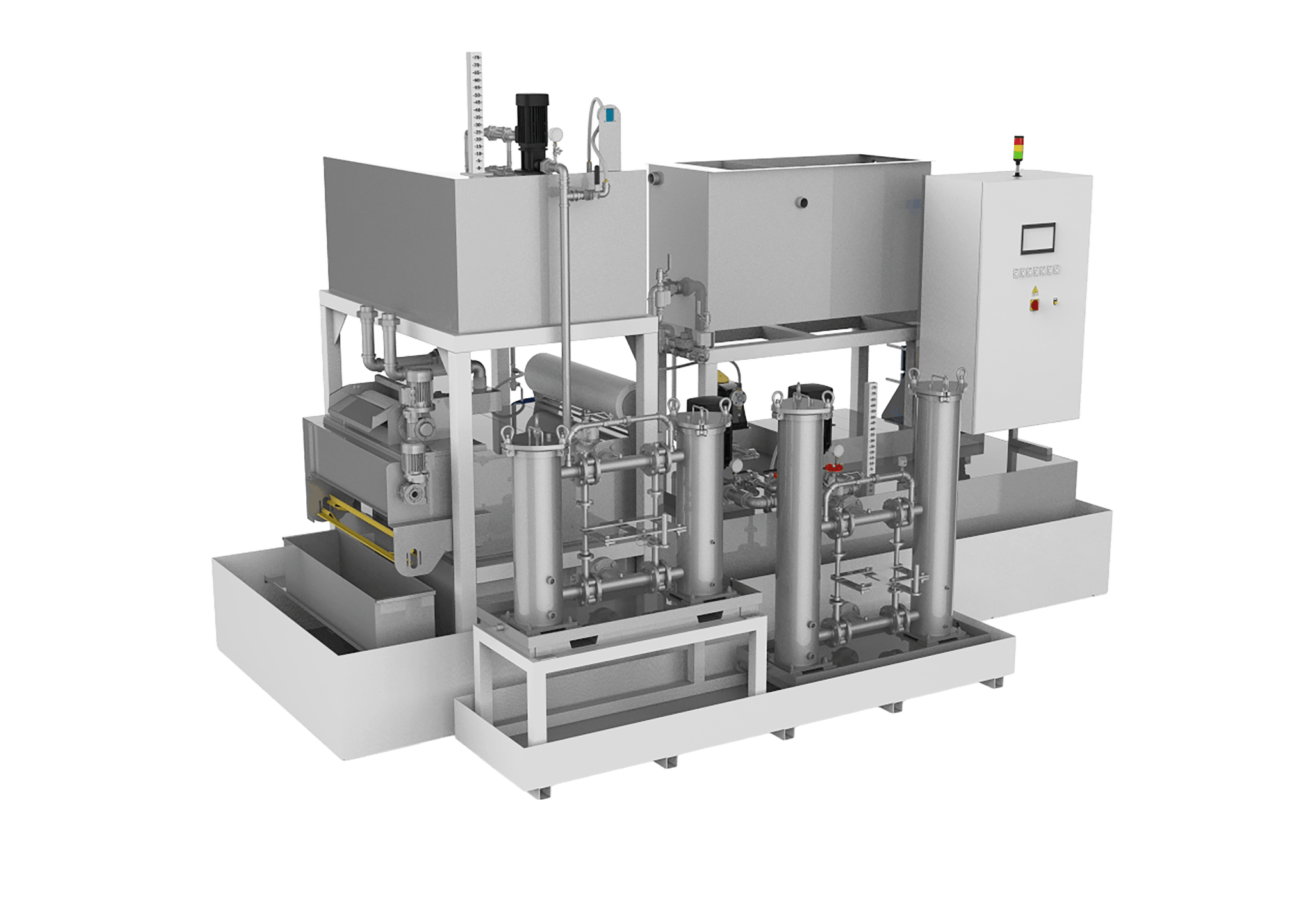
Bag & Cartridge Housings
Sub-micron polishing for the tightest surface finish requirements on rotating components.
TECHNICAL SPECIFICATIONS
Reference Configuration for Energy Manufacturing
Common Materials
- Inconel and other nickel-based superalloys (turbine blades, hot-section components)
- Waspaloy and Hastelloy (turbine and combustor)
- Large steel forgings (turbine rotors, generator shafts)
- Stainless steels (compressor and pump components)
- Bronze and aluminum bronze (selected pump and bearing components)
Common Processes
- Large 5-axis machining (turbine and compressor blades)
- Heavy turning of large rotors and shafts
- Deep-hole drilling (turbine cooling passages)
- Cylindrical grinding (rotor journals, bearing surfaces)
- Gear grinding (gearbox components)
- Wire and sinker EDM (turbine blade cooling holes)
Energy sector cells vary from large turbine rotor production to compressor wheel finishing. The reference below covers a typical superalloy or precision rotating component cell.
| Parameter | Typical Recommendation |
|---|---|
| Typical flow rate | 30–500 GPM per cell |
| Coolant type | Water-soluble for most; straight oil for selected superalloy work |
| Filtration target | 1–10 micron |
| Pressure regime | Compatible with high-pressure through-spindle delivery |
| Magnetic pre-filter | Yes for ferrous-rich cells; selective for superalloy-only |
| Documentation | Supports ASME and energy sector QA regimes |
| Architecture | Standalone preferred for tight-tolerance precision work |
| Service interval | Scheduled around long machining cycle requirements |
BUSINESS CASE
The Energy Sector ROI Argument
In energy sector machining the dominant cost is rarely the coolant — it is scrap on premium superalloy material and lost cycle time on long machining operations. A single rejected turbine rotor or generator shaft can carry seven-figure replacement cost when factoring material, machining hours, and schedule slippage. Filtration ROI is calculated against scrap reduction, premium tool life on carbide and ceramic tooling, and the cost-avoidance of cell downtime during long cycles.
Model the Cost of a Single Rejected Rotor
Use our ROI Calculator to model the economics specific to energy sector production — premium superalloy material cost, multi-day machining cycles, and the schedule impact of scrap on long-cycle components.
Quality Context for Energy Sector Manufacturers
ASME and Energy Sector QA Standards
Energy sector components frequently operate under ASME, API, or end-customer-specific quality regimes. Documented filtration supports the process control records those quality systems require.
Tier 1 suppliers to major OEMs in the gas turbine, steam turbine, and generator sectors operate under audit regimes that scrutinize process control documentation. Filtration with documented specifications, identified replacement media, and predictable service intervals supports the supplier reporting that energy sector quality plans require.
FREQUENTLY ASKED QUESTIONS
Common Questions from Energy Sector Manufacturers
What coolant filter is best for Inconel turbine machining?
Inconel and other nickel-based superalloys generate work-hardened chips that quickly degrade coolant performance. The recommended primary stage is gravity bed filtration with fine-micron media, often paired with high-pressure through-spindle delivery (1,000–2,000 PSI). For tight surface finish work a polishing stage in the 1–5 micron range is added downstream.
What filtration is needed for large turbine rotor machining?
Large rotor machining benefits from layered filtration: an automatic magnetic separator handles the bulk ferrous load from large steel forgings, and a high-flow gravity bed system handles the polishing across the long machining cycles that rotor production requires. Tank capacity matters because rotor cycles can run for days or weeks.
How does coolant cleanliness affect surface finish on turbine blades?
Turbine blade surfaces operate at speeds where defects translate into fatigue initiation sites. Recirculating fines mark finished surfaces and require rework — and on superalloy material, rework is expensive. Filtration in the 1–10 micron range delivers the surface finish consistency that turbine blade specifications require.
Are central coolant systems used in energy sector machining?
Both architectures are deployed. Central systems work well for dedicated production cells producing a single component family. Standalone systems are preferred for tight-tolerance precision work where coolant chemistry needs to be specifically managed for a single operation, and where cross-contamination between superalloy and non-superalloy work is a documented concern.
How long should coolant last in energy sector cells?
With proper filtration in place, energy sector coolant cycles routinely extend to 12–24 months between major changeouts, with ongoing tramp oil management and periodic top-ups in between. The exact extension depends on material mix, coolant chemistry, and the duty cycle on the cell.
What documentation does filtration provide for energy sector audits?
Energy sector audits look for documented filtration specifications, traceable replacement media, scheduled service records, and evidence that the system operates within published parameters. Filtration vendors that supply complete spec sheets, identified media, and standardized service documentation reduce audit complexity significantly.
FINAL CTA SECTION
Built for Multi-Decade Asset Reliability
Tell us about your energy sector production — turbine, generator, compressor, or pump — and the surface finish, tolerance, and quality regime that drive your filtration requirements. We will design against the specifics of your component program.