
Industry Solution · General Manufacturing
Coolant Filtration for CNC & General Manufacturing
CNC job shops and general manufacturers face a specific filtration challenge: variability. Mixed materials, mixed coolants, mixed production volumes — and a need for filtration that works across all of it without requiring a different system for every cell.
VERSATILE
Mixed-material capable
SCALABLE
5 GPM to 1,000+ GPM
TURNKEY
Engineered to your shop
ROI
Pays for itself in coolant savings alone
WHY IT MATTERS
Versatile Filtration for Versatile Shops
CNC job shops, contract machining operations, and general manufacturing facilities run a different filtration economy than dedicated production lines. Material changes from job to job. Coolant chemistries vary by customer specification. Production volumes shift with the order book. The filtration system has to handle all of it without becoming a maintenance burden.
The dominant pain points are universal across the segment: coolant going bad faster than expected, sumps requiring frequent cleanouts, surface finish drift on jobs that previously ran fine, premature tool wear, and the cumulative cost of coolant disposal. Most general manufacturing shops are over-paying for coolant management precisely because they have not invested in dedicated filtration — and they discover the ROI immediately once they do.
CoolantFilters.com builds filtration systems sized for the realities of the general manufacturing market: small to mid-size shops, mixed material capability, predictable maintenance schedules, and pricing that justifies itself on coolant life extension alone.
INDUSTRY CHALLENGES
Filtration Challenges in General Manufacturing
The challenges in a job shop look different from a dedicated production line — but they are no less expensive to ignore.
Mixed materials in the same coolant
Job shops routinely run steel, aluminum, and stainless through the same coolant in the same week. Each material has its own contamination profile, and mixed loads stress filtration systems that are sized for a single profile.
Frequent coolant changeouts and disposal cost
Shops without filtration commonly change coolant on a 60–90 day cycle, with each changeout carrying cost for new fluid, disposal of the spent coolant, and the lost production hours during the cleanout.
Coolant odor and bacterial growth
Stagnant tramp oil, biological growth, and accumulated fines produce the characteristic rotten-egg coolant smell that affects working conditions and indicates fluid breakdown.
Surface finish drift on previously stable jobs
When recirculating fines start marking finished surfaces, jobs that previously ran fine begin producing scrap. Filtration is the most common solution to surface finish problems that appear without an obvious process change.
RECOMMENDED FILTRATION APPROACH
Right-Sized Filtration for Mixed-Use Shops
For most general manufacturing shops a magnetic separator paired with a gravity bed filtration system is the recommended baseline. The magnetic stage handles ferrous fines from steel and stainless work without requiring consumable media; the gravity bed handles the polishing for surface finish-grade clarity across mixed material loads. Tramp oil management is added when the shop runs significant water-based coolant volume.
For smaller shops, a single magnetic separator combined with bag or cartridge filtration housings can deliver excellent results at a price point that pays back inside the first year on coolant savings alone. Larger shops benefit from central coolant filtration architectures that consolidate per-machine maintenance into a single point.
Magnetic Separators
Non-consumable ferrous fines removal — the foundation of mixed-material filtration.
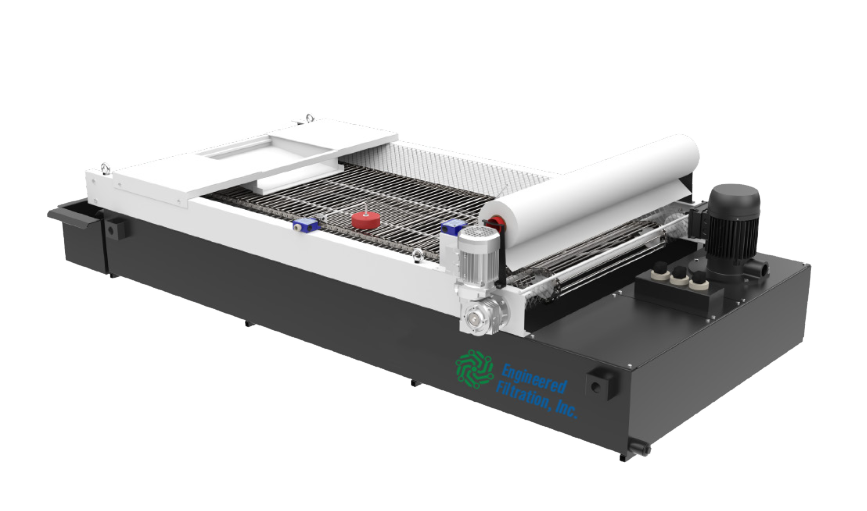
Gravity Bed Filters
High-flow polishing stage for surface-finish-grade clarity across material types.
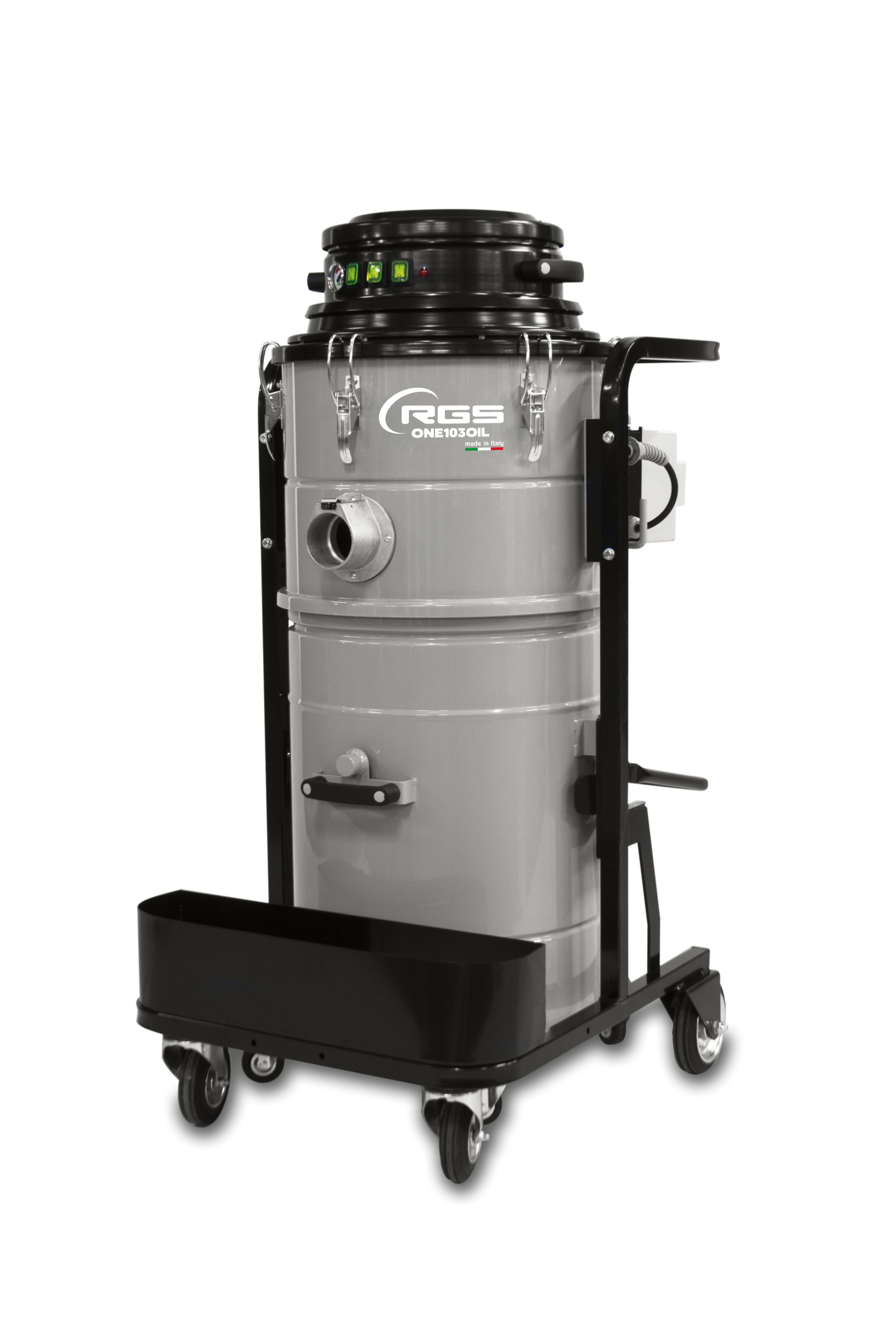
Tank Cleaners & Reclamation
Sump cleaning, tramp oil removal, and coolant reclamation — the rest of the management toolkit.
TECHNICAL SPECIFICATIONS
Reference Configuration for General Manufacturing
Common Materials
- Carbon steel and tool steels (general production)
- Stainless steel (food, marine, architectural)
- Aluminum alloys (general production)
- Cast iron (occasional production)
- Brass and bronze (fittings, fluid components)
- Plastics (occasional)
Common Processes
- CNC milling (3-axis, 4-axis, 5-axis)
- CNC turning (lathes and turning centers)
- Drilling, tapping, and reaming
- Surface and cylindrical grinding
- Sawing and bar cutoff
- Light EDM and waterjet (where present)
General manufacturing shops vary widely. The reference profile below represents a typical small to mid-size CNC job shop running mixed materials.
| Parameter | Typical Recommendation |
|---|---|
| Typical flow rate | 10–200 GPM per machine or central system |
| Coolant type | Water-soluble emulsion (most common), semi-synthetic, occasional straight oil |
| Filtration target | 10–50 micron |
| Magnetic pre-filter | Yes — universal for steel/stainless work |
| Tramp oil management | Recommended baseline |
| Architecturen | Standalone for small shops; central for shops with 6+ machiness |
| Coolant change interval | Targeted 9–18 months with proper filtration vs. 60–90 days without |
| Payback period | Most operations recover system cost inside 6–18 monthsc |
BUSINESS CASE
The Most Predictable ROI in Industrial Filtration
General manufacturing has perhaps the most predictable filtration ROI of any segment, because the savings stack across multiple categories: coolant purchase reduction, disposal cost reduction, tool life extension, scrap reduction, and labor savings on tank cleanouts. Most shops recover the full cost of a filtration system inside 6 to 18 months, with ongoing savings continuing year over year.
Calculate Your Shop's Filtration Payback
Use our ROI Calculator to model coolant savings, disposal cost reduction, and tool life extension against your shop’s actual numbers. The math is usually faster than expected.
Quality Context for General Manufacturers
ISO 9001 and Customer-Specific Quality Plans
General manufacturers operating under ISO 9001 and serving regulated end-customers benefit from documented coolant management as part of process control records.
Even shops without formal certifications find that documented filtration supports better customer-facing quality reporting, simpler internal troubleshooting when problems occur, and clearer maintenance schedules. Filtration is one of the lowest-friction process improvements available to a general manufacturing shop.
FREQUENTLY ASKED QUESTIONS
Common Questions from General Manufacturers
What is the best coolant filter for a small CNC job shop?
For most small to mid-size CNC shops the best baseline configuration is a magnetic separator combined with a bag filter housing or a small gravity bed system. The magnetic stage handles ferrous fines (steel and stainless) without consumable media, and the bag or gravity bed stage handles polishing across mixed material loads.
How long should coolant last with proper filtration?
Without filtration, most general manufacturing shops change coolant every 60–90 days. With a properly configured filtration system in place, the same coolant routinely lasts 9 to 18 months — sometimes longer. The exact extension depends on material mix, coolant chemistry, and tramp oil management.
How much does a coolant filtration system cost for a small shop?
System cost varies based on flow rate, machine count, and the specific configuration, but most small-shop systems pay for themselves inside 12 months on coolant purchase reduction and disposal cost reduction alone. Tool life extension and scrap reduction are additional savings on top. We size systems against your actual production data and provide pricing transparently.
Why does my coolant smell bad?
The characteristic rotten-egg coolant smell is produced by anaerobic bacteria growing in stagnant coolant — usually below a layer of accumulated tramp oil that prevents oxygen from reaching the fluid. The fix is two-part: remove the tramp oil with a skimmer or coalescer, and install filtration to remove the accumulated fines that the bacteria are feeding on. Biocides treat the symptom, not the cause.
Can one filtration system handle multiple machines?
Yes. Central coolant filtration systems are designed to support multiple machines from a single filtration unit, with sumps at each machine pumping back to the central tank. Central systems consolidate maintenance into a single point and reduce per-machine equipment cost. Standalone per-machine filtration is preferred when coolant chemistries vary by job or where cross-contamination matters.
What is the simplest first step for a shop without any filtration?
The single most impactful first step is a magnetic separator on the largest ferrous-machining cell. It removes the most damaging contamination (recirculating ferrous fines) without requiring consumable media, and it produces immediate, visible results. From there, adding gravity bed filtration or bag housing polishing builds out the full filtration architecture.
FINAL CTA SECTION
Filtration Sized for Your Shop
Tell us about your operation — machine count, material mix, current coolant change frequency, and the problems you want solved. We will engineer a system against your actual numbers and show you the payback math up front.